
Which Car Body Parts Are Most Prone to Rust?
Which Car Body Parts Are Most Prone to Rust?
Which Car Body Parts Are Most Prone to Rust?
Rust is not just a cosmetic issue – it's a major factor affecting both the safety and lifespan of your car. Bodywork corrosion is every driver’s nightmare, especially in temperate climates where rain, snow, humidity and road salt create perfect conditions for it to thrive. Knowing which car body parts are most vulnerable to rust helps in preventing it more effectively, keeping your car in good technical and visual condition for years to come.
In this article, we’ll detail which areas of your car’s bodywork require special attention in terms of rust protection and suggest what preventive measures are worth taking.
Why Do Some Car Parts Rust Faster?
Before we dive into specific body parts, let’s understand why rust appears more quickly in some areas than others. The corrosion process begins when a steel element comes into contact with moisture and oxygen, leading to the oxidation of metal. Areas where moisture tends to linger longer, or parts exposed to mechanical damage and chemicals (like road salt), are particularly at risk.
Key factors increasing the risk of corrosion include:
Poor ventilation and trapped moisture in hard-to-reach areas
Mechanical damage to paintwork, allowing water to contact bare metal
Constant exposure to road salt during winter, which accelerates electrochemical corrosion
Wheel Arches – The First Line of Rust Defence
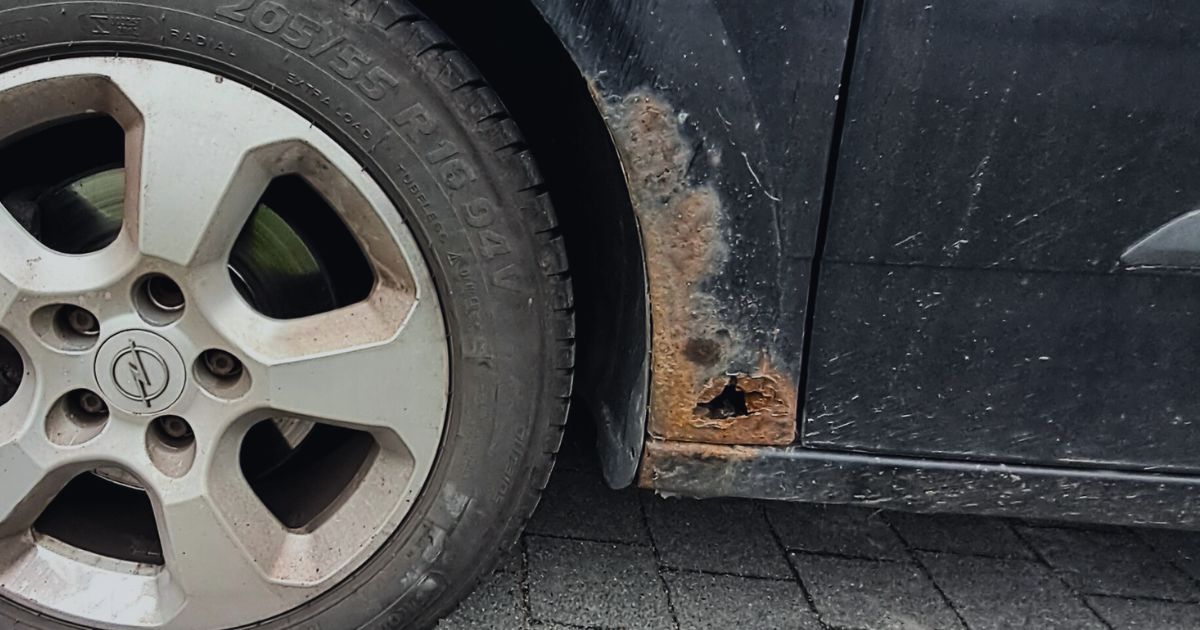
Wheel arches are among the most rust-prone areas of a car. Daily driving causes dirt, water, mud and salt to collect here. Stones kicked up by the wheels can chip the paint, exposing bare steel and creating perfect conditions for rust to take hold.
Over time, corrosion in the wheel arches can spread to nearby parts like sills and lower sections of the wings. It’s crucial to regularly check the condition of paint and anti-corrosion coatings in these areas, especially after winter. Cleaning and treating wheel arches with protective agents is key to keeping this part of the bodywork in good shape.
Car Sills – A Silent Threat to Car Owners
Car sills are especially vulnerable to corrosion for several reasons. Their low position exposes them to constant moisture and road salt, particularly in winter. On top of that, sills often suffer mechanical damage – for example, from stepping into the car – which compromises the paint and protective layers.
Once rust sets into the sills, it can quickly spread inward and threaten the car’s structural integrity. Regular anti-corrosion treatment and checking the paint condition around the sills is absolutely essential. Also, don’t forget to keep the drain holes around the sills clear to prevent moisture from building up inside them.
Lower Door Edges – Don’t Ignore the First Signs of Rust
The lower edges of car doors are another area particularly susceptible to corrosion. Moisture often gathers there, and these parts are typically covered with a thinner protective coating.
As a result, the first signs of rust can appear quite quickly – especially on older car models. Early detection makes the problem easier to fix and prevents further spread. It's also important to check the condition of door seals, as damaged seals allow water to get inside the doors, speeding up internal corrosion.
Car Floor – Rust Hides Beneath
The car floor is a part of the bodywork that's often overlooked because it’s out of sight. Yet it’s constantly exposed to water, mud, grit and, most importantly, road salt used heavily in winter. Scratches or chips from stones can quickly open the door for rust to develop.
In some car models, the factory anti-corrosion coating isn’t sufficient. That’s why regular inspections of the underbody – especially after winter – are crucial. The best way to protect the floor is by applying an additional layer of anti-corrosion products and periodically washing the underbody to remove dirt and salt.
Bonnet and Boot Lid Edges – Unexpected Rust Hotspots
Although these areas are higher up and seemingly protected from water, moisture and dirt often collect around the edges of the bonnet and boot lid – particularly near locks and hinge mountings. Water left in these areas gradually causes rust to form and spread.
To prevent this, regularly clean these edges and check the condition of the seals. Even small cracks or damage in the rubber components can allow water to get into hidden areas, dramatically speeding up corrosion.
Around the Windows – A Hidden Rust Risk
Window seals play a crucial role in keeping moisture out. But over time, they lose flexibility, allowing water to seep underneath, where corrosion can begin unnoticed.
This is particularly true for the lower edges of the front and rear windscreens. Rust in these spots can go unseen for a long time, potentially leading to expensive repairs, including window replacement and bodywork restoration. Check the condition of the window seals regularly and use care products that maintain their flexibility. It’s also a good idea to inspect the paint under the seals during routine checks.
Mounting Points for Body Parts – A Silent Corrosion Centre
Mounting points for elements like wings, spoilers or bumpers are easy to overlook but can be rust breeding grounds. These metal connections are often not fully protected with paint or anti-corrosion coatings. Moisture seeps between the connected surfaces, leading to hidden rust outbreaks.
The biggest threat comes from metal screws and clips that corrode rapidly due to moisture and road salt. If left unchecked, this rust can cause structural issues and loosen attached parts. Regular inspection during service or routine checks can help avoid costly damage.
Exhaust System – Highly Susceptible to Rust
Although not part of the bodywork, the exhaust system is one of the most rust-prone components. Located under the car, it’s constantly exposed to water, salt and extreme temperature changes. Moisture plus high exhaust temperatures accelerates corrosion dramatically.
Rust most often affects the mufflers, exhaust pipes and joints. One sign of progressing corrosion is louder engine noise and a distinctive "popping" sound from leaks. Regular checks and protecting exhaust parts with heat-resistant anti-rust treatments is vital. When damage is severe, replacement is necessary – and that’s where quality parts from trusted shops like EasyParts.online come in handy.
Engine Bay – Is It Safe from Rust? Not Quite
The engine bay might seem well protected, but it’s not immune to corrosion. Water, dirt and salt can enter from underneath or through air vents, lingering on components. Mounting points for suspension, engine supports and the frame are particularly at risk.
Inspecting these areas regularly and applying appropriate anti-corrosion measures – especially after winter – is key. Addressing rust in the engine bay isn’t just about looks; it’s a safety concern, as advanced corrosion can weaken suspension structures or lead to engine problems.
Headlight and Rear Light Housings – Subtle Rust Risks
Headlight and taillight housings are often overlooked when it comes to rust prevention. But when seals around the lights are damaged, moisture and dirt accumulate, creating hidden corrosion hotspots.
This rust can spread to nearby body panels, even if it starts in small amounts. Regularly check the seals around your lights and clean these areas often. Replace worn seals to stop water from creeping into vulnerable spots.
Car Roof – Not the First Place You’d Expect Rust
The roof may not seem like a high-risk area, but rust can appear here too. Causes include scratches from branches, hail or bird droppings that damage the protective coating. Even small chips can expose the metal to air and moisture.
Sunroofs and roof rack mountings are especially vulnerable. Keeping the roof clean and applying protective coatings can help – and don’t ignore any minor damage to the paintwork.
How to Protect Your Car from Rust Effectively?
Now that you know the key rust-prone areas, here are a few simple but essential tips to reduce the risk:
Wash your car regularly, especially in winter. Pay attention to the underbody and wheel arches.
Apply anti-corrosion treatments to high-risk areas like sills, arches, underbody and around windows.
Fix paint chips and scratches promptly to prevent moisture reaching bare metal.
Inspect seals and drains to stop water from building up in hidden places.
And if rust has already done some damage? It might be time to replace the affected part. When that happens, go for high-quality replacements – you’ll find them at EasyParts.online, your go-to source for repair panels and body parts.
Conclusion
Rust is a serious threat to every driver – especially in European climates where moisture, salt and changing temperatures are a fact of life. Knowing which body parts are most vulnerable helps you take proactive steps to fight corrosion.
Regular checks, maintenance, and quick responses to early signs of rust will help your car stay safe, solid and good-looking for years. And remember – even the best anti-rust treatments need refreshing. Staying consistent in your car care is the real secret to beating rust.